Living in New Braunfels: A Guide to Hill Country Life
June 4, 2026
June 4, 2026
Wondering what “Hill Country lifestyle” really means in New Braunfels? It is not just scenic views and weekend tubing. In this part of Texas, daily life blends river access, historic character, busy community events, and an easy connection to the San Antonio and Austin corridor. If you are thinking about moving here or buying a second home, this guide will help you understand how New Braunfels actually feels to live in. Let’s dive in.
New Braunfels sits on the eastern edge of the Texas Hill Country, about 30 miles northeast of San Antonio and 45 miles southwest of Austin. It also sits along I-35, with I-10 about 10 miles away, so you get a Hill Country setting without feeling cut off from the larger region.
That mix shapes the city’s identity. New Braunfels has deep historic roots, strong outdoor culture, and a fast-growing population, but it also functions as part of a larger commuter corridor. If you want a place that feels scenic and tradition-rich while still keeping you connected, that is a big part of the appeal.
In New Braunfels, the rivers are not just a backdrop. They are part of how people spend time, gather with friends, and enjoy the seasons. The city’s two signature waterways, the Comal and Guadalupe Rivers, help define the pace and personality of the area.
The Comal River is especially central to local life. According to the city, it is the shortest navigable river in Texas at roughly 2.5 miles and is spring-fed by Comal Springs. The river system draws about a quarter million users each summer, which tells you how important river recreation is here.
What stands out in New Braunfels is that river recreation feels both casual and organized. Access parks are open daily, parking is paid, and the river only closes during high water or for public safety. During certain seasonal windows, lifeguards are also posted at the tube chute.
That structure matters if you are thinking about daily life, not just vacation fun. It means river use is part of the local routine, but it comes with rules and stewardship that help protect habitat, water quality, and endangered species.
The outdoor feel goes beyond the rivers. Landa Park is a 51-acre park with trails, playgrounds, the Dance Slab amphitheater, a miniature train, an aquatic complex, Wurstfest grounds, and Comal Springs. It is one of the clearest examples of how nature and community life overlap in New Braunfels.
Fischer Park adds another layer to that lifestyle. As the city’s largest park, it offers more than two miles of greenway trails, fishing ponds, a sprayground, playgrounds, a nature education center, and hilltop views. If you want everyday access to outdoor space, New Braunfels gives you several ways to enjoy it.
Some Hill Country towns feel quiet and slow most of the year. New Braunfels tends to feel more active. Its event calendar is one reason the city often comes across as social, energetic, and visitor-friendly.
Wurstfest is the most recognizable example. The official festival describes it as a 10-day annual celebration of German culture with food, music, dancing, carnival rides, games, and beer, held near the Comal River and Landa Park. That scale gives you a sense of how public events shape the city’s atmosphere.
Downtown New Braunfels also hosts recurring events that bring people into the center of town. Saengerfest is a free downtown festival with live music, family activities, shopping, food vendors, and wine and craft beer sampling.
Events like this add rhythm to the year and help public spaces stay active. For you as a buyer, that can mean a stronger sense of community life and a town that regularly uses its historic core for gathering, not just business hours.
Gruene is one of the best-known parts of the New Braunfels area, and it adds another dimension to the Hill Country lifestyle. The Gruene Historic District sits along the Guadalupe River and is known for German-Texas architecture, shops, restaurants, and music venues.
Gruene Hall, built in 1878, is still operating as Texas’ oldest dance hall. That detail says a lot about the local culture. In New Braunfels, live music and historic places are not occasional extras. They are woven into everyday identity.
New Braunfels has grown quickly, but it has not lost the visual signs of its past. Downtown was originally platted in 1845, and the city says that original town plan still shapes architecture and land use today.
That historic framework gives New Braunfels a stronger sense of place than many fast-growing suburbs. You can see the city’s evolution in the built environment, from older homes and commercial buildings in the historic core to more suburban patterns farther out.
The city’s historic districts include several styles tied to different periods of growth. You may notice German-Texas vernacular homes, Craftsman bungalows, Victorian-era dwellings, Tudor examples, and single-room fachwerk houses.
That architectural range creates a layered streetscape. Instead of one uniform look, older parts of New Braunfels reflect different eras of development and preservation.
The city’s urban design framework gives a clear picture of how different areas function. Downtown and Gruene are compact and walkable. The I-35 frontage corridor is more automobile-oriented, with larger roads and ample parking.
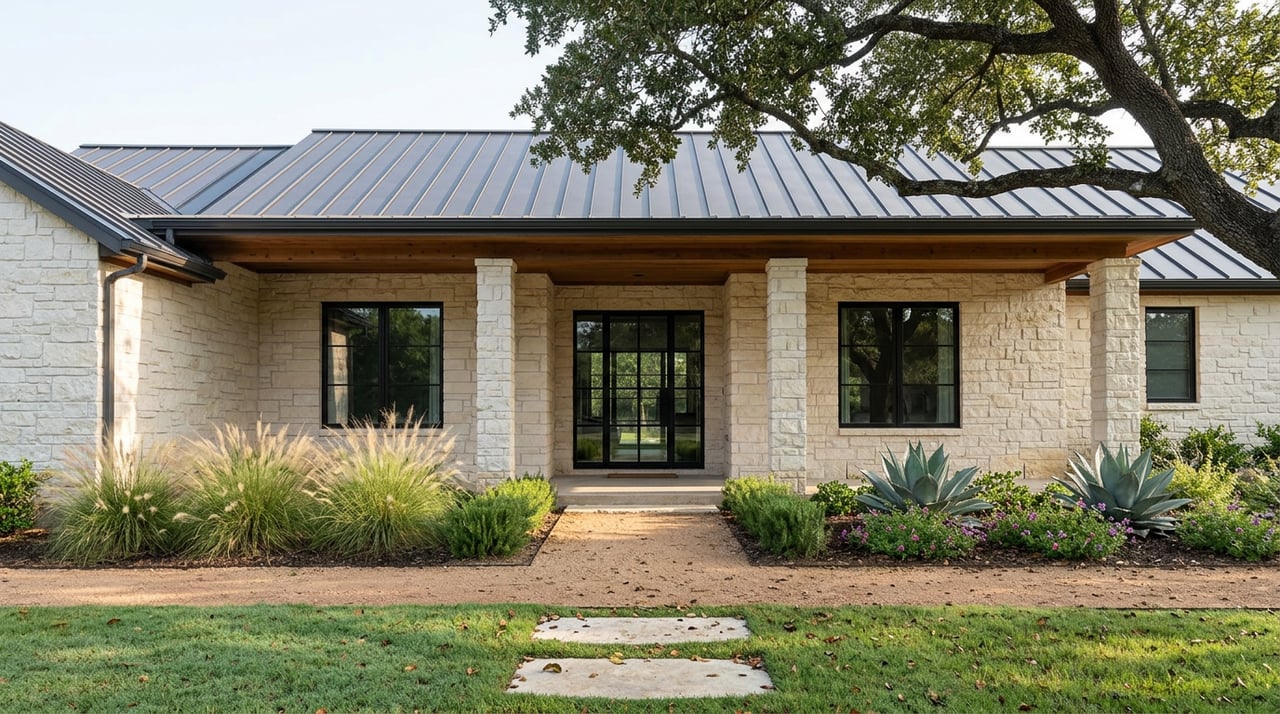
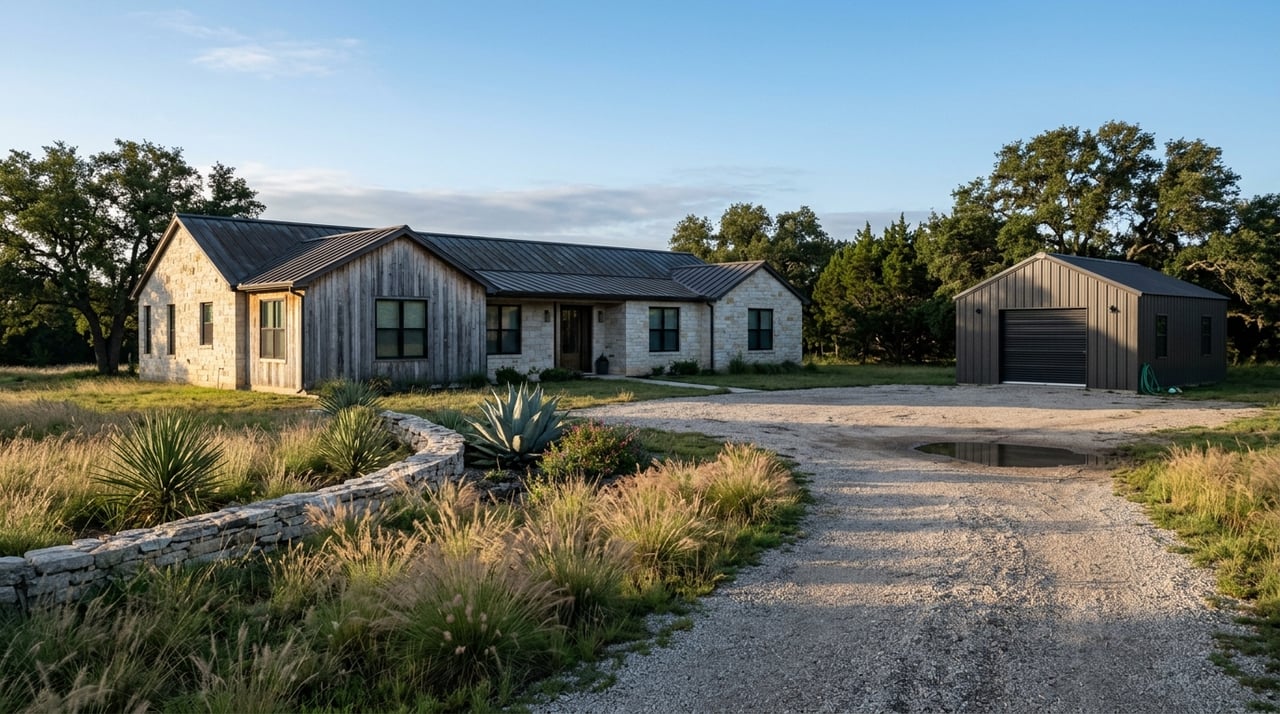
Farther from the historic core, residential areas shift toward suburban patterns with larger lots and detached single-family homes. The city also notes that newer mixed-use projects combine housing with retail, office, parks, and open space. For buyers, that means you can find several living environments within one market.
New Braunfels is not standing still. Census data estimates the 2025 population at 122,492, which reflects 35.5% growth from the 2020 estimate base. That kind of growth affects traffic, housing demand, and the overall energy of the city.
It also helps explain why New Braunfels can feel busier than other Hill Country towns. You are looking at a place that still offers river access and historic charm, but also supports a growing population and a broader regional draw.
The Census reports an owner-occupied housing rate of 65.3% in New Braunfels. It also lists a median owner-occupied home value of $339,400 and a median gross rent of $1,654.
Those numbers suggest a market with a solid ownership base but enough variety to include renters and buyers in transition. If you are comparing New Braunfels with smaller towns nearby, this helps show why the market can feel broader and more dynamic.
If you are considering a move for lifestyle reasons, it is smart to balance the scenery with the practical side. The Census reports a mean travel time to work of 27.1 minutes in New Braunfels and 30.9 minutes in Comal County.
City planning materials also note that many workers commute along I-35 between New Braunfels and San Antonio. TxDOT is planning improvements to SH 46 from I-35 to I-10 and to I-35 from South Walnut Avenue to FM 306. So while New Braunfels offers a Hill Country setting, it is also very much part of a regional transportation network.
New Braunfels can be a strong fit if you want outdoor access, a visible sense of history, and an active community calendar. It can also work well if you need to stay connected to job centers in San Antonio or Austin while living in a place with more Hill Country character.
At the same time, it may not feel like a secluded small town. The city’s growth, event activity, tourism, and commuter patterns all point to a place that is lively and increasingly in demand. For many buyers, that blend is exactly the point.
A home search in New Braunfels is not only about square footage or finishes. It is also about deciding what kind of daily experience you want. Do you picture weekends near the river, evenings around live music, and a home base with access to both historic areas and newer neighborhoods?
That is where local guidance matters. Understanding how the city changes from downtown to Gruene to the suburban edges can help you focus on the areas that best match your routine, commute, and long-term goals.
If you are exploring New Braunfels or other Hill Country communities, Summers Real Estate can help you compare lifestyle, property type, and location with a practical local lens.

Get assistance in determining current property value, crafting a competitive offer, writing and negotiating a contract, and much more. Contact us today.
Get In Touch With Our Team To Learn More