Leave a Message

Thank you for your message. We will be in touch with you shortly.

5 Acres Vs. 20 Acres In Pipe Creek: What Fits Your Goals?

January 15, 2026

Deciding between 5 acres and 20 acres in Pipe Creek can feel like two very different paths. You want the right balance of privacy, budget, and what you can realistically maintain. The good news is you can make a confident choice once you match acreage to your goals, whether that is a hobby ranch, a weekend retreat, short-term rental income, or a long-term land hold. In this guide, you will learn how each size works in 78063, what it takes to own and operate it, and the key due diligence steps to protect your investment. Let’s dive in.

Pipe Creek land basics

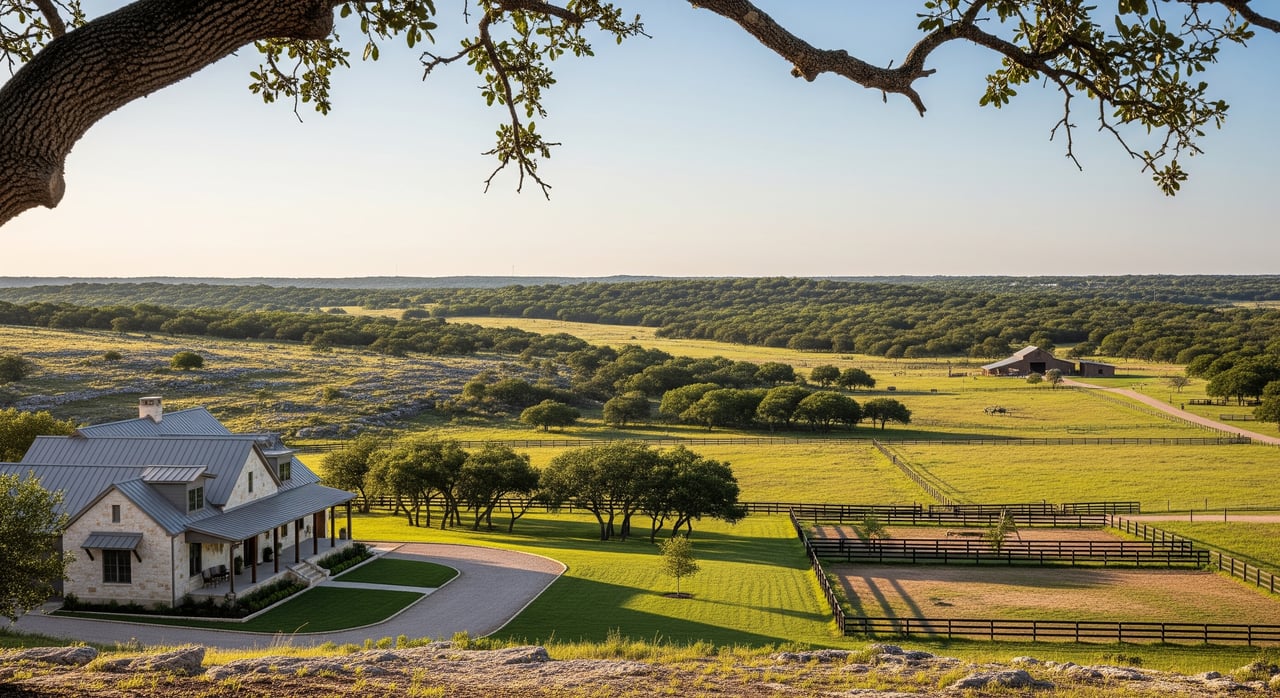
Pipe Creek sits in Bandera County within the Texas Hill Country. It offers a rural lifestyle with larger tracts and fewer municipal services than city neighborhoods, along with commuting access to the San Antonio area. Expect rolling terrain with limestone outcrops, shallow soils in places, and seasonal drainages. These features influence build sites, drainage, and potential rock excavation or soil testing for septic.

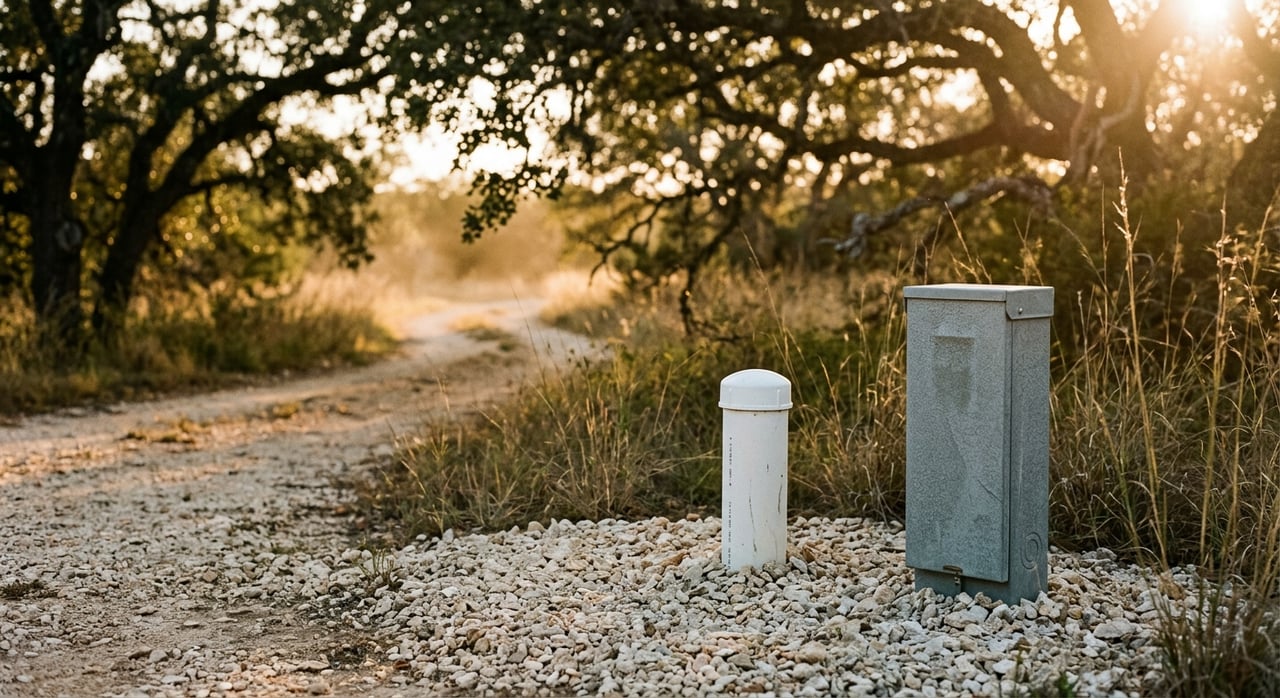
Most rural properties rely on private wells. Availability and depth vary by location and aquifer, and well yield is site specific. Plan to contact the local groundwater conservation district and the Texas Water Development Board for aquifer details and permitting guidance. Utilities typically include rural electric service, with propane for gas and a septic system for wastewater. Internet can be satellite or fixed wireless. Access roads may be county maintained or private; verify maintenance responsibilities with Bandera County.

Because Pipe Creek is unincorporated, county offices oversee septic permits and inspections, and well drilling follows state and groundwater district rules. If you plan short-term rentals or events, check Bandera County ordinances for any restrictions and required permits or taxes.

Define your goals first

Start with how you plan to use the land. Your intended use determines the acreage, infrastructure, and budget that make sense. The most common goals in 78063 are hobby ranching or horse property, short-term rental cabins or a small retreat, and long-term investment. Here is how 5 acres and 20 acres compare for each.

Hobby ranching and livestock

  • 5 acres: Good for 1 to 2 horses or a small goat flock with supplemental feed. You can create a compact rotational paddock system with fencing you maintain yourself. Carrying capacity for cattle is limited unless you supply feed, and you must stay on top of manure, pasture rest, and brush control.
  • 20 acres: More room for multiple horses or a modest cow herd with more sustainable grazing rotation. You can plan separate zones for equipment, hay storage, and a barn or arena. Expect higher costs for perimeter and cross fencing, plus more water storage and distribution for livestock.

Short-term rentals and small retreats

  • 5 acres: Enough for one private cabin with parking, well and septic, and a few amenities. Site work and access costs are usually lower, and upkeep is simpler. Scaling to multiple units is limited by septic capacity, well yield, and proximity to neighbors.
  • 20 acres: Space for multiple cabins, trails, a small event lawn, and better privacy buffers between guests. Revenue potential is higher, but so are infrastructure needs, insurance, and operational oversight. Confirm county rules, lodging tax obligations, and septic sizing for your planned occupancy.

Long-term hold and investment

  • 5 acres: Often easier to resell to owner-occupant buyers who want privacy without heavy maintenance. Financing can be simpler when a home exists. Smaller parcels may not qualify for agricultural valuation unless you meet use thresholds.
  • 20 acres: Offers more optionality: agricultural use, potential open-space valuation if you qualify, and flexibility for future division or a conservation-minded plan. Buyer pools are narrower than for 5-acre tracts, and carrying costs and upkeep are higher.

Ownership and upkeep costs

Fencing and gates

  • 5 acres: Fewer linear feet to build and maintain. Common choices include barbed wire, woven wire, or pipe panels depending on livestock. Most owners can manage repairs themselves.
  • 20 acres: Perimeter and cross fencing costs increase substantially, and larger projects often require a contractor. Plan for periodic repairs and material costs.

Brush and pasture care

Hill Country land needs brush management to preserve pasture and reduce wildfire fuel loads. Methods include mechanical clearing, targeted herbicide, prescribed burning coordinated with local fire authorities, or targeted grazing. Larger acreage multiplies the time and cost for mowing, clearing, and ongoing management.

Water infrastructure

On bigger tracts, you may need more storage capacity, distribution lines to troughs or stock tanks, and possibly a second well depending on yield. Review well logs for the property and nearby wells and plan for water quality and flow testing.

Roads and access

Private driveways and interior ranch roads require regular maintenance. On 20 acres, you may add interior tracks for access to improvements, which adds grading and base material costs. Confirm who maintains access roads and any shared easements.

Insurance and liability

Rural property insurance should reflect your real uses. If you host guests, carry higher liability limits and confirm coverage for outbuildings and wildfire risk. Flood exposure may apply on properties with drainages or low-lying areas.

Financing and taxes

How lenders view 5 vs 20 acres

If a livable home exists, conventional, FHA, or VA financing may be possible, as long as the property meets residential standards and the appraisal supports marketability and access. Vacant land or larger tracts often require lot or land loans with higher down payments and rates. For agricultural operations, Farm Credit institutions or USDA programs can be options, but they apply to bona fide ag use and have different underwriting.

Property taxes and open-space valuation

Bandera County Appraisal District administers property values and open-space agricultural valuation. Qualifying for open-space valuation can significantly lower taxes if you meet county rules on acreage, production, and use. Twenty acres is more likely to qualify, but smaller tracts can qualify if they meet the thresholds. Always confirm requirements with the appraisal district before you purchase.

Title, minerals, and restrictions

In Texas, mineral rights are often severed from the surface. Order a title commitment to learn what mineral rights are included or reserved and whether any surface use is permitted under existing leases. Review recorded easements, deed restrictions, and subdivision rules, especially if future division is part of your plan.

Resale and marketability

Smaller tracts usually attract a wider buyer pool that includes owner-occupants wanting privacy with manageable maintenance. Larger tracts often appeal to ranchers, STR investors, or conservation-minded buyers and can take longer to sell, depending on the market. To improve marketability, document well performance and septic permits, provide a recent survey, invest in drive and gate improvements, clear a usable homesite, and maintain functional fencing and pastures. If you operate an STR, keep occupancy records and permits to show a buyer.

Quick compare: 5 vs 20 acres

  • 5 acres

    • Best for one cabin, 1 to 2 horses, goats, or a small hobby setup.
    • Lower upfront site work and fencing costs, simpler maintenance.
    • Easier financing if a home exists, broader resale audience.
    • Ag valuation possible only if county use thresholds are met.
  • 20 acres

    • Supports rotational grazing, multiple paddocks, and hay storage.
    • Space for multiple STR units and on-site amenities, subject to permits and water and septic limits.
    • More flexible for long-term plans like open-space valuation or future division where allowed.
    • Higher carrying costs and more complex infrastructure and maintenance.

Due diligence checklist for 78063

  • Get a current boundary survey to confirm acreage and identify encroachments.
  • Order a title commitment. Review mineral reservations, easements, covenants, and restrictions.
  • Check Bandera County records for deeds, plats, floodplain maps, and road maintenance responsibilities.
  • Ask the Bandera County Appraisal District about tax history and open-space valuation requirements.
  • Obtain well logs if a well exists. Test yield and water quality. Verify septic permits and suitability for your planned occupancy.
  • Get a soil and site evaluation for septic and foundation feasibility.
  • Verify utilities and costs to extend service, including electric and internet. Plan for propane if you need gas.
  • Speak with the local fire department about wildfire risk, defensible space, and brush burning rules.
  • Collect cost estimates for fencing, driveway and culvert work, brush clearing, septic installation or repairs, and well upgrades.
  • Consult lenders experienced with rural properties to confirm loan types, rates, and down payment requirements.
  • Ask neighbors or local landowners about seasonal road conditions, water table behavior, and land management challenges.
  • If planning STR or events, confirm county permitting, lodging tax rules, insurance, and any HOA requirements.

Choosing between 5 and 20 acres in Pipe Creek comes down to how you want to live, what you want to build, and how much time and budget you can commit to upkeep. If you match acreage to your goals and follow a thorough due diligence plan, you will set yourself up for a property that works today and resells well tomorrow. Ready to talk through your plan and see on-the-ground options in 78063? Connect with the local team at Summers Real Estate.
FAQs

Will a 5-acre Pipe Creek tract qualify for open-space valuation?

  • It might, but only if you meet Bandera County’s agricultural use and documentation requirements. Confirm minimum acreage, production, and timing with the appraisal district.

How do I finance 20 acres in Pipe Creek with no house?

  • Vacant land loans are available but usually need higher down payments and rates. Ask local rural lenders, Farm Credit, or USDA programs about options and underwriting.

What are the real fencing and maintenance differences by size?

  • Five acres usually means a manageable perimeter fence and owner-performed upkeep. Twenty acres increases fencing length, brush control time, equipment needs, and repair costs.

Is 20 acres better for short-term rentals in 78063?

  • It can be, since you have room for multiple units and privacy buffers, but you must confirm septic capacity, well yield, county permits, lodging taxes, and insurance.

What should I verify about wells and septic before I buy?

  • Get well logs, perform yield and water-quality tests, and verify septic permits and condition. Confirm soils and site suitability for your planned occupancy.

Do mineral rights affect how I can use the land?

  • Yes. Mineral rights can be severed from the surface and active leases may allow surface use. Review your title commitment and recorded documents to understand any limits.

Work With Us

Get assistance in determining current property value, crafting a competitive offer, writing and negotiating a contract, and much more. Contact us today.